Ultimate Guide to Choosing the Right Windshield Wiper for Any Vehicle

Key Takeaways
Know your wiper blade types: traditional frame-style for budget-friendly reliability, beam-style for performance, and hybrid for a mix of both features.
Regular maintenance and timely blade replacement every six months are crucial for clear visibility and safe driving.
The right fit is key: measure your current blades or use online tools to ensure you get the correct size for your vehicle, then follow a careful installation process.
Understanding Windshield Wiper Types
Choosing the right wiper blades can feel a bit like navigating a maze. There are different types, each suited to handle different weather conditions effectively. Understanding how wiper blades connect to the wiper arm is crucial for ensuring proper fit and function.
There are three main styles of wiper blades: conventional, flat, and hybrid. Each brings unique advantages to the table.
Traditional Frame-Style Blades
Traditional frame-style wiper blades are the classic choice. They consist of a metal framework that holds the rubber wiper strip. They’re renowned for their affordability and widespread use on vehicles. The rubber on these blades is typically made from standard rubber or halogen-hardened rubber, which is backed by a metal frame providing multiple contact points for stability.
However, they’re not without their drawbacks. These blades were not designed with aerodynamics in mind. This means they can suffer from wind lift and reduced performance at high vehicle speeds. But for a budget-friendly option that’s widely available, you can’t go wrong with these.
Beam-Style Blades
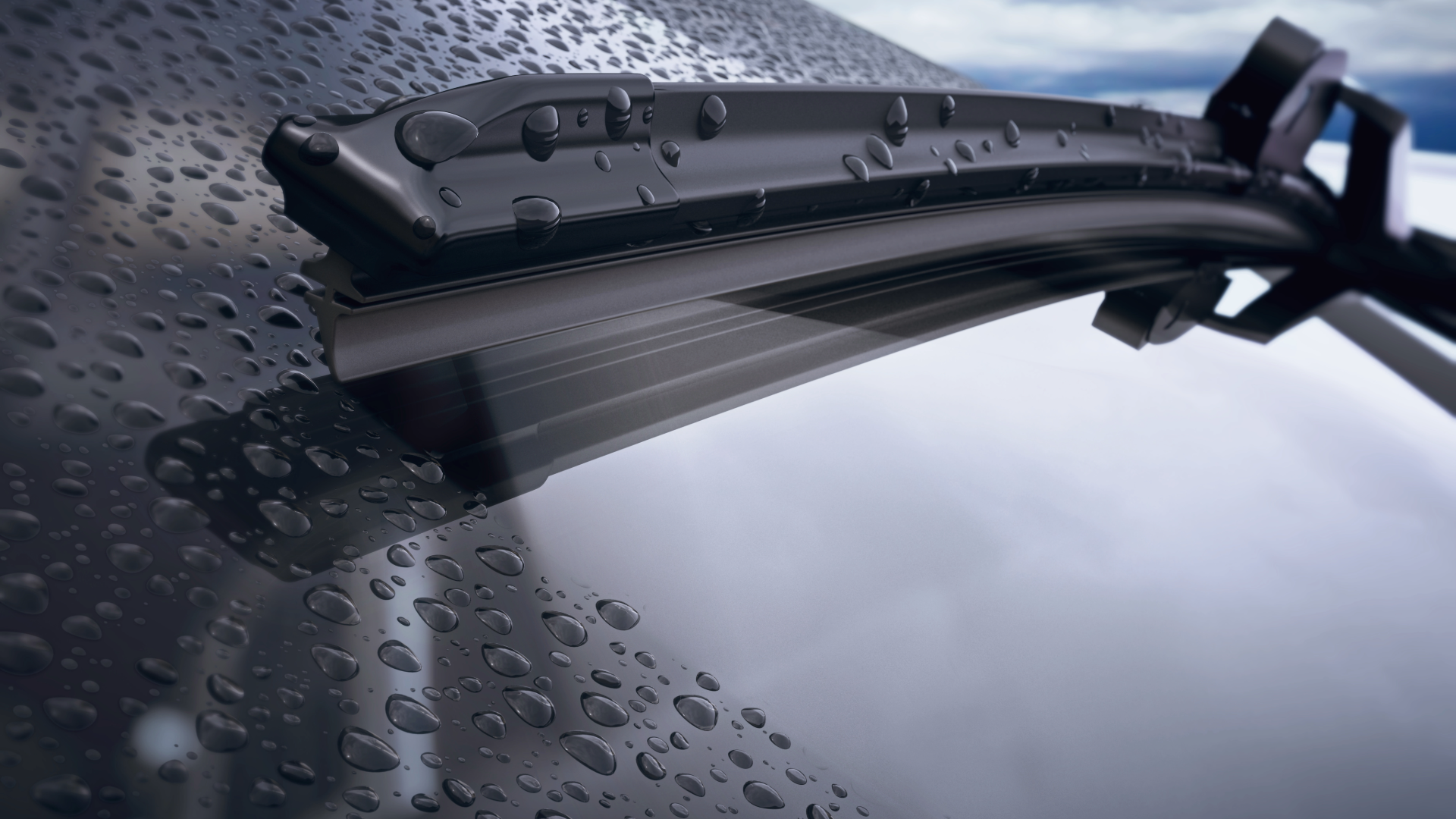
Now, let’s talk about beam-style wiper blades. They are constructed as a single piece of rubber, providing a sleek, streamlined appearance. Their design is complemented with a centrally located pivot connection block.
What sets them apart? The lack of an external frame enables car windshield wipers to flex naturally and maintain even contact with the glass surface of the windshield’s curvature. They excel in performance, especially at high speeds and in snowy conditions.
The icing on the cake? The inclusion of a Vortec Aerofoil enhances aerodynamics. It uses wind force to increase the contact pressure between the wiper blade and the windshield. How cool is that?
Hybrid Blades
If you’re stuck between traditional and beam-style blades, we have good news! Hybrid wiper blades combine the best of both worlds. They are designed as a combination of the traditional frame-style and beam-style wiper blades.
These blades serve as a compromise between the sturdy structure of frame-style blades and the streamlined performance of beam-style blades. The frame acts as a spoiler to maintain contact with the windshield, especially at higher speeds. It’s the perfect balance of durability and performance, integrating the advantages of both traditional and modern wiper blade technologies.
Importance of Regular Wiper Blade Maintenance
Maintaining your wiper blades isn’t just about keeping them squeaky clean. It’s about safety. Regular maintenance of wiper blades is essential for maintaining clear visibility, which is critical for safe driving.
Keeping the windshield and wiper blades clean can help prevent degradation in wiper effectiveness. This can be as simple as wiping them down regularly to remove dirt and grime. Also, ensure your windshield washer nozzles are unclogged. A little bit of maintenance goes a long way in improving wiper performance and enhancing visibility during rain.
When to Replace Your Wiper Blades
So, how do you know when it’s time to replace your wiper blades? Here are some signs to look out for:
Streaks on the windshield
Blades failing to sit snugly against the windshield
Squeaking noises
Damaged or bent blades
Wear and tear from constant pressure or UV exposure
If you notice any of these signs, it’s time to replace your wiper blades.
Using worn-out blades could result in streaks on the windshield that reduce visibility and cause glare. In extreme cases, the metal arm can come into contact with the windshield, which may cause damage. As a rule of thumb, replace your wiper blades every six months. Regular service inspections are crucial for uncovering worn-out blades or issues that impair visibility and safety, ensuring timely replacement.
Choosing the Right Wiper Blades for Your Vehicle
Alright, so you know you need new wiper blades. But how do you choose the right ones for your vehicle? The length of wiper blades varies, and using the correct size specific to your vehicle’s make, model, and year is crucial for optimal performance.
You can measure your existing wiper blades with a tape measure to find the correct size for replacement. Focus only on the rubber blade length. If you’re unsure, there are online tools available that specify the wiper blade size required for your vehicle. Auto parts stores also provide wiper blade size finder tools and can offer in-person recommendations for suitable replacements.
Step-by-Step Guide: Replacing Your Windshield Wiper Blades
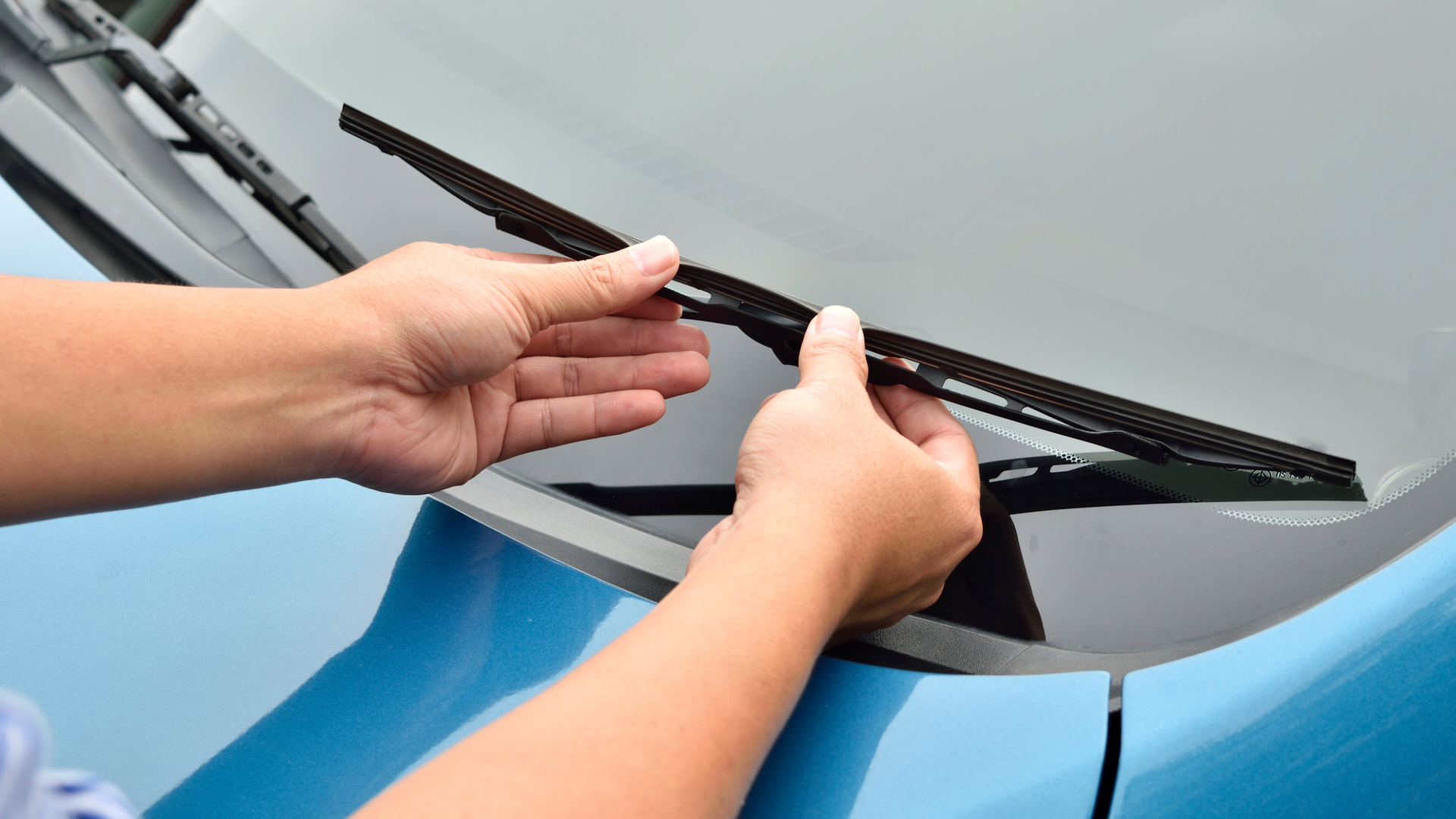
Now that we’ve covered the basics, let’s get down to business. We’ll walk you through the process of replacing your wiper blades, from preparation to installation. Just remember to ensure you have the correct size and type of replacement blades before getting started.
Preparing for Installation
Before you remove the old wiper blade, follow these steps:
Lift the wiper arm away from the windshield. This will prevent any potential damage.
Locate the small clip or latch on the wiper arm that holds the blade in place.
Detach the old wiper blade by releasing the clip or latch.
Remember, preparation is key. It will make the removal and installation process smoother and safer. Before you know it, you’ll be a wiper blade changing pro!
Removing the Old Wiper Blade
Just like people, not all wiper blades are the same. The removal method may vary depending on the type of wiper blade and arm attachment. If you’re unsure, consult your vehicle’s owner’s manual or seek information provided for your specific vehicle model by the manufacturer.
Generally, you remove the blade by:
Holding the wiper arm with one hand
Unlatching the wiper blade with the other
If your wiper blade is attached via a small tab or button, press it to release the blade and slide it off of the arm
And remember, be gentle! You don’t want the wiper arm to snap back against the windshield and cause cracking or chipping.
Installing the New Wiper Blade
Installing the new wiper blade is the final step. To do this, align the new blade with the wiper arm’s hook or pin and secure it in place.
Take your time with this step. Make sure the hook or clip on the arm aligns with the appropriate notch or hole on the new blade. Once it’s in place, pull it until you hear a clicking sound. This indicates it’s locked in position. Give it a gentle shake to ensure it’s installed correctly. And voila, you’ve successfully replaced your wiper blade!
Troubleshooting Common Wiper Blade Issues
Even with proper maintenance, you might run into some issues with your wiper blades. But don’t worry, we’ve got you covered.
Do your wipers chatter or smear? Here are some possible solutions:
A deep cleaning of the windshield and the wiper blades themselves can help remedy this.
Squeaking noises during operation can indicate problems preventing the blade from clicking into place, such as the presence of debris or worn rubber elements.
In some cases, the wiper arms may be bent and need to be carefully reshaped with pliers.
Caring for Your Windshield Wipers
Taking care of your windshield wipers can prolong their lifespan and save you some cash in the long run. To maintain the condition of your wiper blades, clean them regularly with warm, soapy water. Wiping the edge of the blade with rubbing alcohol can also help.
Extreme weather conditions can lead to wipers chattering or losing their smooth pivoting motion. Protecting your wiper blades from hot or cold temperatures can help prevent this. If you’re parking outdoors in heavy snow, lift the wipers to prevent them from weighing down or freezing to the windshield.
Summary
So there you have it, your ultimate guide to choosing the right windshield wiper for any vehicle. From understanding different types of wiper blades to knowing when to replace them and how to care for them, we’ve covered it all. Remember, keeping your wipers in good shape is not just about having a clear view; it’s about ensuring a safe drive. So, take care of your wipers, and they’ll take care of you!