Cracking the Code: What Your Vehicle’s VIN Says About Its Story

Cracking the Code: What Your Vehicle’s VIN Says About Its Story
What Is a VIN and Where Do You Find It?
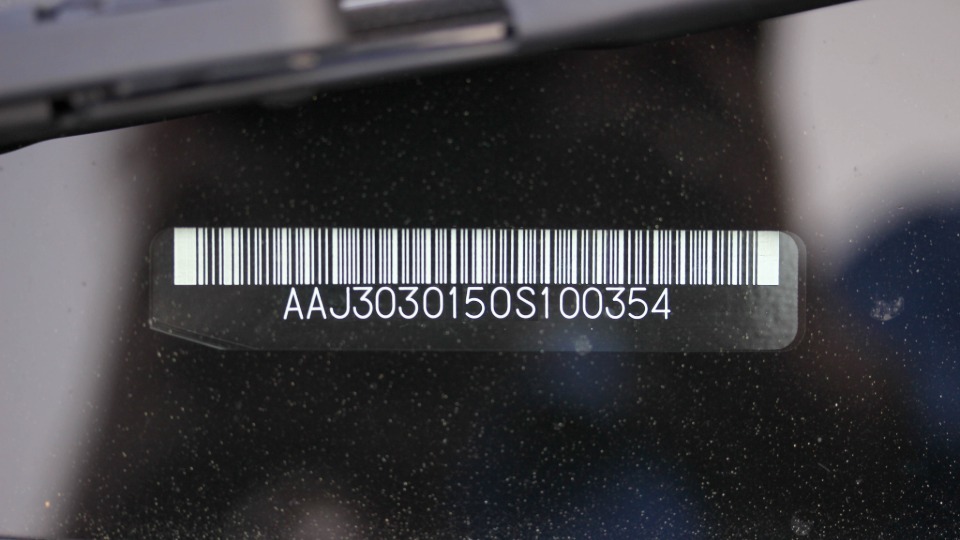
A VIN is a 17-character code assigned to every vehicle manufactured since 1981. It’s the key to unlocking detailed information about your car’s origin, specifications, and history.
On the driver’s side dashboard, visible through the windshield
Inside the driver’s side door frame
On important vehicle documents like the title, registration, or insurance card
Pro tip: Snap a photo of your VIN and save it on your phone. That way, you’ll always have it handy when filling out forms or running quick checks.
Breaking Down the VIN – What Each Character Means
Every VIN follows the same 17-character format, and each section carries meaning:
1–3: World Manufacturer Identifier (WMI) – Country of origin and manufacturer
4–8: Vehicle Descriptor Section (VDS) – Model, body style, and engine type
9: Check Digit – Ensures the VIN is valid
10: Model Year – Indicates the year the car was built
11: Assembly Plant – Factory where the car was manufactured
12–17: Vehicle Identifier Section (VIS) – Unique serial number
Example VIN: 1HGCM82633A123456. This could identify a Honda made in the U.S. with a V6 engine, manufactured in 2003 at a specific assembly plant.
Why VINs Matter for Buyers and Sellers
Your VIN isn’t just useful trivia — it’s a powerful tool that protects both buyers and sellers. By decoding a VIN, you can uncover:
Accident and repair history
Title issues, including branded or salvage titles
Recall information from the manufacturer
Theft records
For sellers, a clean VIN report can increase buyer confidence and help justify your asking price. For buyers, running a VIN check ensures you’re making a safe investment and not inheriting hidden problems.
Free VIN Check Resources You Can Trust
You don’t need to pay big bucks to get started with VIN checks. Several reliable and free resources are available:
NICB VINCheck – Theft or total loss records
NHTSA Recalls Lookup – Open recalls
VehicleHistory.com – Basic reports with specs, recalls, and history snapshots
Fun Facts and VIN Trivia
The 10th character reveals the model year using a coding system
Some luxury and mainstream brands share the same assembly plants
Limited-edition models often have distinctive VIN sequences
Conclusion: Empowering Ownership Through Knowledge
Understanding your VIN means understanding your car’s story. From uncovering its origin to verifying its history, that 17-character code puts valuable information at your fingertips.
Next time you’re buying or selling, take a few minutes to decode your VIN and see what it reveals. You may be surprised by the story it tells.
FAQ: VIN Questions Answered
What does each digit in a VIN mean?
Each character corresponds to details like manufacturer, model year, plant, and unique serial number.
Is it safe to share my VIN online?
Yes — the VIN itself doesn’t expose sensitive personal information. It’s meant to be visible on the vehicle.
Can I check my VIN for free?
Absolutely. Use NICB, NHTSA, or VehicleHistory.com to run free checks.
What if my VIN is shorter than 17 characters?
Vehicles made before 1981 may have shorter VINs, as the 17-character standard wasn’t adopted until then.
Can a VIN tell me if a car has been in an accident?
Yes — when paired with history reports, VINs can reveal accident and damage records reported to insurance or repair databases.