⚡ Quick Summary:
The used car market has slowed across the board in 2026, but some vehicles are sitting on lots far longer than the average. Based on iSeeCars data tracking time-on-market, here are five cars drivers are quietly moving on from — and the patterns explaining why.
Jump to:
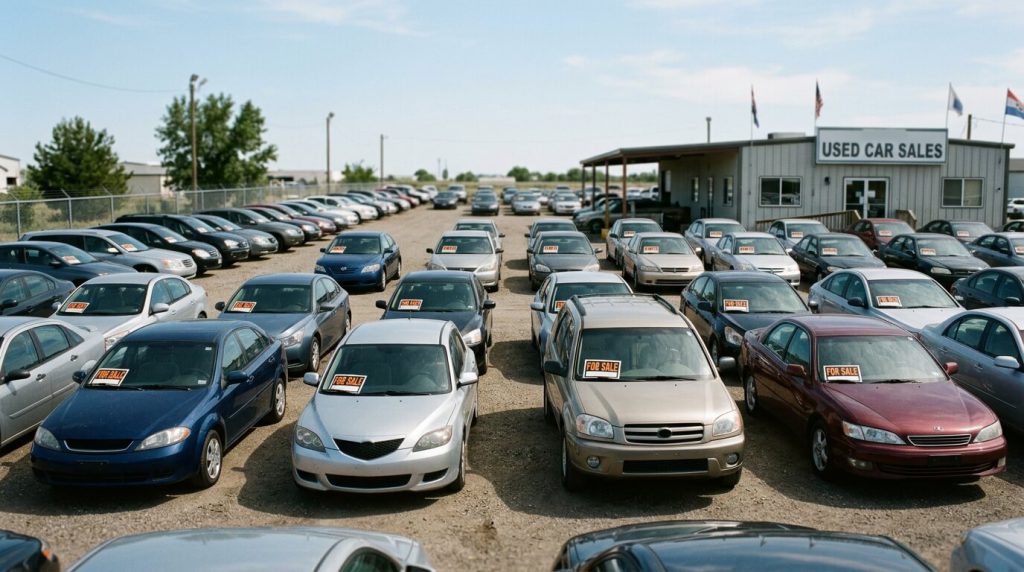
Walk through any used-car lot in 2026 and you’ll see something you wouldn’t have a year ago: rows of plug-in hybrid SUVs that nobody’s stopping to look at. Salespeople have stopped pitching them. Listings linger for months. A handful of premium electric vehicles share the same fate. According to iSeeCars data from February 2026, the average 1- to 5-year-old used car takes 53 days to sell — but the slowest movers in the study are sitting more than three times that long.
That’s the gap this post is about. Tesla Model X and Mercedes-Benz EQS SUV are still flying off lots in under 30 days. At the other extreme, a small group of vehicles is languishing. Here are the five drivers are most clearly moving on from in 2026, and the patterns connecting them.
📊 How We Identified the Five
Every pick on this list comes from iSeeCars’ February 2026 study of more than 960,000 used vehicle transactions, ranked by average days on market — meaning how long the typical listing sits before finding a buyer. The slowest-moving vehicles in the study took more than three times longer to sell than the average. We’ve focused on the slowest five, with light context on what’s pushing buyers toward the door.
One thing worth noting up front: the slowest-selling category in 2026 isn’t dominated by old, unpopular models. It’s dominated by plug-in hybrids and certain premium electric vehicles — a clear signal of where buyer hesitation is concentrated right now.
🚗 5. Dodge Hornet Plug-In Hybrid
The Dodge Hornet plug-in hybrid lands among the three slowest-selling used vehicles in iSeeCars’ February 2026 study. The Hornet is a relatively new nameplate, and its plug-in variant carries the additional weight of a charging-required ownership model that buyers in 2026 are increasingly cautious about — especially in a segment where comparable non-PHEV options exist.
The signal here isn’t really about Dodge. It’s about plug-in hybrids broadly: buyers seem to want either a full hybrid (charging-free, simple) or a full EV. The middle ground that PHEVs occupy is finding fewer takers than it used to.
🚗 4. BMW i5
The BMW i5 — the electric variant of the 5 Series — is one of the slowest-moving used vehicles in the iSeeCars February 2026 study. As a relatively new luxury EV, it’s caught in two trends at once: premium electric vehicles are sitting longer than they used to, and 1- to 2-year-old luxury vehicles in general have lost demand momentum as consumers grow cautious about high used prices.
It’s a well-built car. The slow sales aren’t a quality indictment — they’re a signal that the buyer pool for $60,000+ used luxury EVs is smaller than the supply.
🚗 3. Audi Q8 e-tron
Premium electric SUVs from European brands are sitting on lots significantly longer than the market average. The Audi Q8 e-tron is one of the more visible examples — a well-reviewed luxury electric SUV that’s struggling to attract used buyers despite meaningful price drops from new MSRP.
The pattern across this segment is consistent: high purchase prices, faster-than-expected depreciation, and competition from a broader pool of used Tesla inventory that buyers seem to default to. For the Audi specifically, a recent rebrand of the e-tron lineup hasn’t fully landed with the used market.
🚗 2. Volvo XC60 Recharge Plug-In Hybrid
Volvo’s plug-in hybrid SUVs are landing in the slowest-selling list across multiple recent iSeeCars studies. The XC60 Recharge specifically combines two of the trends working against PHEVs in 2026: a relatively complex powertrain that requires buyer education, and a price point that puts it in competition with both pure EVs and pure hybrids — both of which have stronger buyer demand right now.
For owners, the slow turnover doesn’t mean the car is a problem. It means buyers are taking longer to commit, and prices are softening as a result.
🏁 1. Volvo XC60 (Plug-In Hybrid Variants)
According to iSeeCars data referenced in coverage of the broader study, the Volvo XC60 plug-in hybrid is the single slowest-moving used vehicle in the 1- to 5-year-old segment in February 2026 — sitting an average of 170.2 days on the market, more than three times the overall average of 53 days.
That’s a striking number, and it’s worth understanding what it means and what it doesn’t. It doesn’t mean the XC60 is a bad vehicle — Volvo has a strong reliability reputation and the XC60 has been a popular new car for years. What it means is that the used market for this specific configuration has more supply than demand right now. Plug-in hybrids broadly are facing this headwind, and the XC60 PHEV is the most visible example.
💡 What This Means If You Own One
If your car is on this list — or in one of the categories this list represents — there are a few things worth knowing.
First, slow turnover doesn’t mean your car is worthless. Time-on-market measures how long buyers take to commit, not whether the vehicle has value. Plenty of these cars are excellent. The market just has more supply than demand for them right now.
Second, the trend can be a signal worth acting on. If a category is cooling off, the longer you wait, the more demand can soften and the more supply can build. Selling earlier in a softening trend usually works out better than selling later.
Third, the option that takes the timing pressure off is selling to a car buying service. Every offer accounts for the specifics of your vehicle: mileage, condition, history, and current market timing — so the offer reflects your car, not a category average.
❓ Frequently Asked Questions
Why are some cars losing value faster than others in 2026?
The 2026 used market has cooled overall, with average time-on-market up roughly 40% versus a year earlier. Within that broader trend, plug-in hybrids and certain premium electric vehicles are sitting longest — a sign that buyer demand has shifted away from those categories specifically.
Should I sell my car if it’s on a “fastest depreciating” list?
Not automatically. A list like this is a market signal, not a verdict on your specific vehicle. But if your car is in a category with softening demand, selling earlier in the trend typically produces better outcomes than waiting it out. Run the numbers and decide.
Does being on a list like this mean my car is worthless?
No. Time-on-market measures buyer commitment speed, not vehicle quality. Many of the cars on this list are well-built and reliable — the buyer pool just hasn’t kept pace with supply. The cars still have value; it just takes longer to find the right buyer in a private sale.
What makes a car fall out of favor on the used market?
Usually a combination of factors: shifts in buyer preferences (away from PHEVs toward full hybrids or EVs, for example), high original prices that haven’t fully discounted on the used market, competition from more popular alternatives in the same segment, and broader economic caution around expensive purchases.
How can I find out if my specific car is losing value?
Check listings for your year, make, model, and trim on a few different platforms — see how many similar cars are listed in your area and how long they’ve been listed. Then get an online valuation from a service like webuyanycar.com to see what your specific vehicle is worth based on its actual condition, mileage, and history.
Selling doesn’t have to be the next step, but if it is, it should be simple. webuyanycar.com gives you a no-strings online valuation based on the specifics of your car. When you’re ready, our locations across the country handle the paperwork.