⚡ Quick Summary: About one in five vehicles on U.S. roads has an open safety recall, and the repair is free. Checking your own car takes about two minutes with your VIN. And if you’re thinking about selling, an open recall isn’t something you have to resolve first.
Wondering whether your car has an open safety recall, and what happens if it turns out that it does? You’re asking a more common question than you might think. Roughly one in five vehicles on U.S. roads is currently driving around with a recall that was announced, mailed out, and never acted on.1 Most of those owners aren’t ignoring anything. They simply never found out.
Here’s how to check your own car, what the repair involves, and what an open recall does and doesn’t mean if selling is on your mind.
🔍 What an Open Recall Actually Is
A safety recall happens when a manufacturer or the National Highway Traffic Safety Administration (NHTSA) determines that a vehicle has a safety defect, or that it doesn’t meet a federal safety standard. Once that determination is made, the manufacturer is required to notify registered owners and to remedy the problem at no charge.
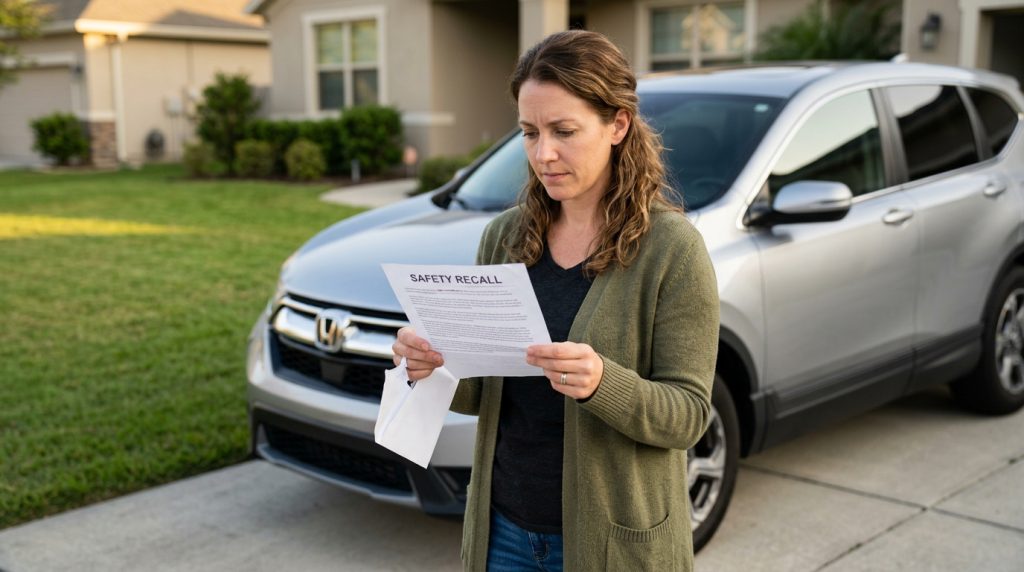
A recall is open when it applies to your specific vehicle and the repair hasn’t been performed yet. That’s the part that catches people out. The recall notice goes to the address on file with the manufacturer, which is often the address of the person who bought the car new. If you’re the second or third owner, or you’ve moved since you bought it, that letter may have gone somewhere you’ve never lived.
The scale of it is surprising. CARFAX data put the number of unrepaired recalled vehicles at 58.1 million, with more than 14 million of those carrying two or more separate unresolved recalls. That total had climbed 16% over the preceding two years.1 And the pipeline hasn’t slowed: more than 23 million vehicles were recalled in the first half of 2026 alone, following more than 29 million across all of 2025.2
None of that means your car is unsafe. It means checking is worth two minutes of your time.
🆔 How to Check Your Car in About Two Minutes
You need one thing: your vehicle identification number, or VIN. It’s a 17-character string unique to your car, and you can find it in a few places.
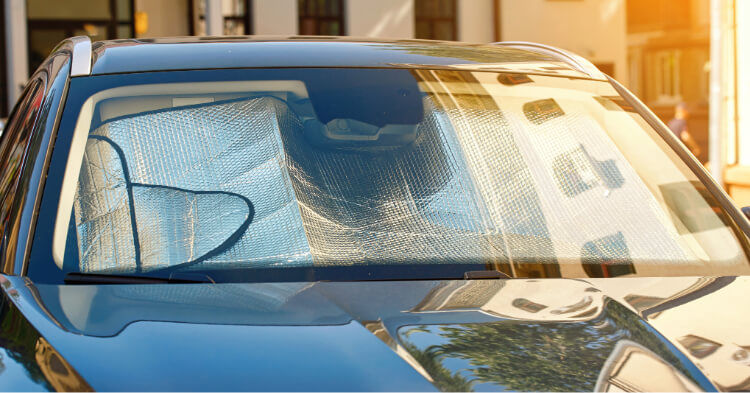
- Look through the windshield at the lower left corner of the dashboard, on the driver’s side.
- Check your vehicle registration card or your insurance card. The VIN is printed on both.
- Open the driver’s door and check the sticker on the door jamb.
Then go to NHTSA’s recall lookup at nhtsa.gov/recalls, enter the VIN, and you’ll see any open safety recalls on record for that exact vehicle. It’s free, it takes seconds, and it’s the official federal database rather than a third-party approximation.
Two things worth knowing about the results. First, NHTSA adds VINs continuously as manufacturers report them, so a clean result today isn’t permanent. Checking once or twice a year is a reasonable habit. Second, the tool doesn’t display safety recalls that are more than 15 years old, unless a manufacturer has chosen to extend coverage beyond that.
If you’d like to understand more about what else that 17-character code reveals about your vehicle’s history, our guide to what your VIN says about your car’s story covers the rest of it.
🔧 Why the Repair Doesn’t Cost You Anything
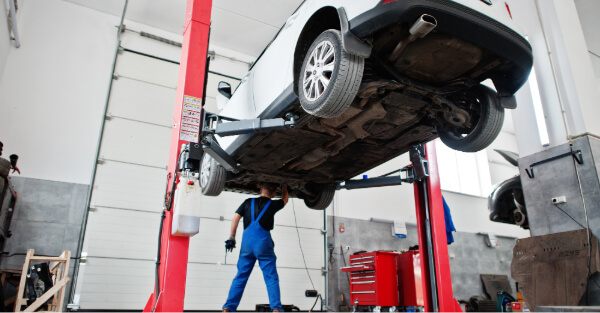
This is the part that surprises people most, and it’s worth being direct about: a safety recall repair is performed at no charge to you. Not discounted. Free. You contact a franchised dealership for your vehicle’s brand, they order the part if needed, and they perform the work.
That’s a federal requirement, not a courtesy, and it applies regardless of whether you’re the original owner, how many miles are on the car, or whether the vehicle is still under warranty. You also don’t need a service history with that dealer, and you’re not obligated to buy anything else while you’re there.
For most recalls there’s no deadline pressing on you either. The obligation sits with the manufacturer to make the remedy available, and it stays available. The practical limit is the 15-year window on NHTSA’s lookup tool. If your car is older than that and you suspect an outstanding issue, calling the manufacturer’s customer line directly is the way to find out.
⚠️ When a Recall Is Urgent
Most open recalls are worth attending to when it suits your schedule. A smaller number are not, and it’s important to know the difference.
NHTSA and manufacturers use two escalated categories. A “Do Not Drive” advisory means exactly what it says: the defect presents enough risk that the vehicle shouldn’t be driven until the repair is done. A “Park Outside” advisory typically signals a fire risk, meaning the vehicle shouldn’t be parked in a garage or near a structure. As of July 2026, roughly 1.4 million vehicles were under “Do Not Drive” advisories and more than 3.2 million under “Park Outside” advisories.3
Some of these are long-running campaigns. Certain older airbag inflator recalls have carried “Do Not Drive” guidance for years, and plenty of affected vehicles are still on the road. If your VIN check returns one of these, follow the interim safety guidance in the notice and contact a dealership straight away rather than waiting.
🚗 What an Open Recall Means If You’re Selling
Here’s where a lot of people tie themselves in knots unnecessarily.
An open recall does not stop you from selling your car, and it isn’t something you need to sort out beforehand. When you sell to webuyanycar.com, your car is purchased as it is. An outstanding recall doesn’t need routing through a dealership first, and it isn’t a box to tick before you can move forward. You can see how the process works and start whenever you’re ready.
So the two questions are genuinely separate, and it helps to keep them that way. If you’re planning to keep driving the car for a while, get the recall handled for your own safety, and for the safety of anyone riding with you. That’s the reason to do it. If you’re planning to sell, the recall isn’t a prerequisite.
One practical note: recall status is tied to the VIN and sits on the vehicle’s record, so it’s visible to anyone looking the car up. There’s nothing to manage there. It’s simply part of the car’s documented history, the same as its service and title record.
Disclosure rules are the one area where it pays to look locally. Requirements vary from state to state, and they differ depending on whether a sale is private or through a licensed dealer. Your state’s DMV is the right source for what applies where you live.
And if the recall check is part of a broader “should I keep this car or move on” question, our piece on the signs it might be time to sell works through the rest of that decision.
❓ Frequently Asked Questions
How do I check if my car has an open recall?
Find your 17-character VIN. It’s visible through the windshield at the lower left of the dashboard, and printed on your registration and insurance cards. Then enter it into NHTSA’s free recall lookup at nhtsa.gov/recalls. Results are specific to your individual vehicle.
Are recall repairs really free?
Yes. Federal rules require the manufacturer to remedy a safety recall at no charge, and that applies whether or not you bought the car new and regardless of its mileage or warranty status. A franchised dealership for your vehicle’s brand performs the work.
Can I sell a car that has an open recall?
Yes. An open recall doesn’t prevent a sale, and you don’t need to have the repair done first. webuyanycar.com buys cars as they are, so an outstanding recall isn’t something you have to resolve before selling.
How long do I have to get a recall fixed?
For most recalls there’s no expiry date on your side. The manufacturer’s obligation to provide the remedy continues. The practical exception is age: NHTSA’s lookup tool doesn’t display safety recalls more than 15 years old unless a manufacturer has extended coverage.
What if my car is more than 15 years old?
Recalls that old won’t appear in NHTSA’s tool, but that doesn’t guarantee there’s nothing outstanding. Contact the manufacturer’s customer service line with your VIN and ask directly. Some manufacturers extend coverage well past the 15-year mark.
Checking for an open recall is one of the few quick, free things you can do for your car, and it’s worth doing whether you’re keeping it another five years or thinking about moving on. If selling is where you’re heading, you don’t need to fix a thing first. webuyanycar.com buys cars as they are. Start with an online valuation and visit one of our locations when the timing suits you.
Sources
- CARFAX open recall data, reported January 2025: 58.1 million vehicles with open recalls, 14 million with two or more, up 16% over two years.
- BizzyCar quarterly recall report, July 2026: 23 million+ vehicles recalled in the first half of 2026, and 29 million+ across 2025.
- CARFAX Recall Tracker, July 2026: approximately 1.4 million vehicles under “Do Not Drive” advisories, and 3.2 million+ under “Park Outside” advisories.
- National Highway Traffic Safety Administration, nhtsa.gov/recalls: VIN lookup, free remedy requirement, and 15-year display limit.