



Modern cars quietly collect location, driving behavior, and more — and some automakers have sold it. Here’s what’s documented, and how to limit it.
Dealing with a dead car battery? Learn the top 5 things that are killing your car battery and how to prevent them. Our guide reveals the main reasons and simple steps to keep your battery reliable.
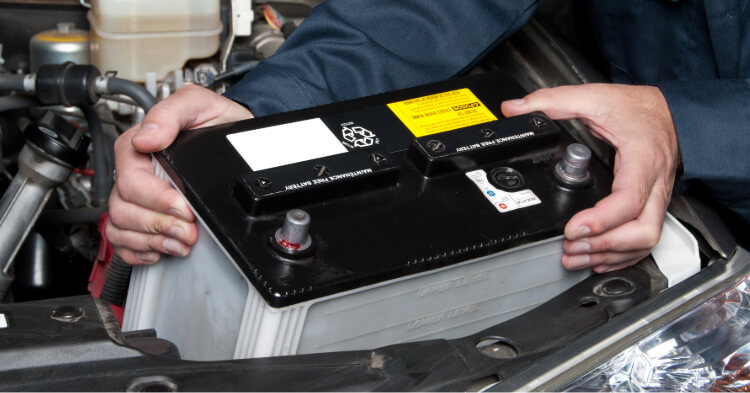
One of the silent killers of car batteries is self-discharge. Even when your vehicle is parked and everything is turned off, your car battery relies on slowly losing charge. Lead-acid batteries, which are commonly used in vehicles, lose about 5% of their battery capacity each month due to self-discharge. This might not seem like much, but over time, if the battery dies, it can lead to significant power loss.
Every month, a standard lead acid battery naturally loses approximately 0.1V due to self-discharge. This gradual voltage drop can leave you with a flat car battery if the vehicle isn’t used for extended periods. Imagine leaving your car parked for just eight months; by the time you return, the battery can appear completely flat. Maintaining your battery is essential, particularly if your car remains unused for extended periods.
Regular battery maintenance can help combat self-discharge. Using a reliable battery charger can help keep your battery voltage at optimal levels, preventing it from becoming a chemically discharged battery. Regularly checking battery connections and ensuring they are clean and tight can also help maintain battery health and performance, ensuring everything is functioning properly as part of a regular battery maintenance routine to restore battery health.
Investing in a new battery or using vehicle charging solutions like trickle chargers can also prolong the life of your car’s battery charging system. By staying proactive and understanding the science behind self-discharge, you can avoid the frustration of a weak battery when you need it most.
Another sneaky culprit that can drain your battery is continual power draw when your car is parked. Parasitic draw occurs when electrical components constantly drains power even when the vehicle is off. Modern vehicles, with their plethora of electronic systems, can still draw around 40mA of power while turned off.
Components like stereo systems, phone chargers, and LED lights are notorious for drawing battery power even when the car is parked. Even in sleep mode, your vehicle’s electronics continue to consume minimal power to maintain memory settings and monitor the alarm system. This continual power draw can lead to a dead battery if left unchecked, especially if your car starts idle for extended periods.
To prevent this, consider:
Being vigilant about battery management in parked vehicles is key. By understanding how today’s modern vehicles continue to draw power and taking preventive measures related to the vehicle’s systems, you can ensure your car overnight battery remains charged and ready to go.
Frequent short drives can be another unexpected drain on your car battery. When you take your car out for short trips, the alternator doesn’t have enough time to fully recharge the battery. This can lead to a cycle where the battery never reaches a full charge, progressively weakening its capacity and performance.
In today’s fast-paced world, it’s common for people to make several short trips throughout the day. However, these frequent short trips can prevent your car’s battery from reaching its optimal charge level. To mitigate this issue, try consolidating your errands into longer drives. This allows the alternator recharges the battery properly, maintaining its health and longevity.
Driving habits have changed significantly post-COVID, with many people taking fewer long trips and more short ones. This shift can contribute to battery issues if not addressed. Occasionally taking your car for a longer drive helps ensure the alternator isn’t working correctly has enough time to fully recharge the battery, reflecting the new driving habits post covid.
Understanding the impact of your driving habits on your car battery allows for small adjustments that maintain its health. Consolidating errands and taking longer drives can go a long way in preventing a weak battery and ensuring your vehicle is always ready to go when you need it.
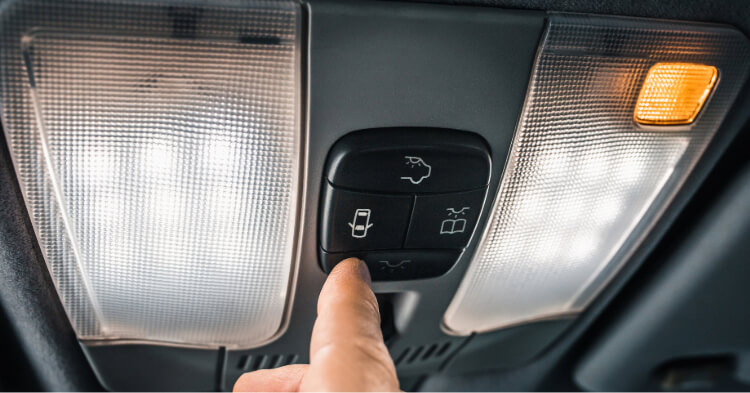
Parasitic drain from interior and door lights is another common issue that can lead to a dead battery. Small interior lights, door lights, and malfunctioning components like radios and alarm systems can continue to draw power even when the car is off. Leaving these lights on inadvertently can drain your battery within days.
Common culprits of battery drain include:
Regular maintenance of your car’s electrical system prevents potential parasitic drains that could lead to battery failure. Ensure all the vehicle’s systems are functioning properly, with all lights turned off and doors properly closed and locked to avoid unexpected battery drain. Checking your lights, especially headlights, if your car battery keeps draining, can also help identify the source of the problem.
Identifying the source of a parasitic draws drain may involve measuring voltage drops across fuses and assessing current draws. Staying vigilant and performing regular checks can prevent parasitic drains from interior and door lights, keeping your battery charged and healthy while allowing it to naturally drain.
Extreme temperatures, both hot and cold, can have a significant impact on your car battery’s performance. High temperatures accelerate self-discharge rates, causing increased charge loss and reducing the battery’s lifespan. Excessive heat can also lead to the evaporation of water in batteries, potentially causing damage.
On the other hand, cold weather can exacerbate existing issues in older batteries, increasing the risk of complete failure. In freezing temperatures, car batteries can lose up to 50% of their performance when temperatures hit freezing, leading to starting problems. This can be particularly problematic if your car is parked outside during the winter months.
Taking preventive measures can help avoid battery issues in extreme temperatures. Park your car in shaded areas or garages during hot weather to avoid excessive heat exposure. Regularly checking your battery’s health and performance, especially before cold weather, ensures it can handle temperature changes. Additionally, ensuring your engine cooling fans are functioning properly can help maintain optimal battery performance.
Understanding the effects of extreme temperatures on your car battery enables you to take steps to mitigate them. Regular battery checks and proper storage can go a long way in maintaining your battery’s health and ensuring it performs well in any weather conditions.
Maintaining your car battery’s health is crucial for ensuring your vehicle starts reliably every time. Using a trickle charger during cold months can help maintain the battery’s charge and prevent damage. Regular charging prevents problems associated with batteries falling below 12.4V, such as sulphation that degrades the battery.
Regularly inspecting and cleaning battery terminals with a baking soda and water mixture can prevent corrosion-related problems. Ensure tight connections on battery terminals as part of your regular maintenance routine to avoid unexpected battery failure. Securing the battery properly can also prevent internal damage caused by vibrations.
Regularly testing the battery’s voltage can help monitor its health and indicate when it’s time for a replacement. Older batteries tend to have higher self-discharge rates compared to new batteries, making regular maintenance even more crucial. The quality of battery construction and materials used can influence its self-discharge rate, affecting its overall lifespan.
Following these preventive measures can significantly extend your car battery’s lifespan. Regular maintenance and proper care can ensure your battery remains healthy and functional, even in extreme temperature conditions.
In summary, understanding the common causes of battery drain and taking preventive measures can go a long way in maintaining your car’s battery health. From self-discharge and continual power draw to frequent short drives, parasitic drains from lights, and extreme temperatures, each factor plays a role in battery performance.
By staying proactive and incorporating a regular battery maintenance routine, you can avoid the frustration of a dead battery and ensure your vehicle is always ready to go. Remember, a little care goes a long way in keeping your car’s battery healthy and reliable.
Modern cars quietly collect location, driving behavior, and more — and some automakers have sold it. Here’s what’s documented, and how to limit it.

If you’ve ever purchased a vehicle, you’ve likely been offered a warranty. But between the sales pitch and the fine print, it can be difficult to determine if these protection plans are actually worth your money. This guide breaks down everything you need to know about car warranties to help you make an informed decision.

Winter driving presents unique challenges, and staying safe on the road requires updated knowledge and preparation. This guide will cover vehicle preparation, driving skills, and essential safety measures. Equip yourself with these tips to navigate snow and ice confidently and safely.

Choosing between AWD and 4WD depends on your driving needs. AWD continuously powers all wheels, making it suitable for urban and diverse conditions. 4WD powers all wheels only when needed, ideal for off-roading. This article will explore AWD vs 4WD differences to help you decide the best option.
Manual or automatic is a crucial decision that can significantly impact your driving experience. So, let’s put the pedal to the metal and navigate the winding road of this manual or automatic transmission tussle.

All drivers are required to be insured. Make sure you understand the ins and outs of car insurance before hitting the road.