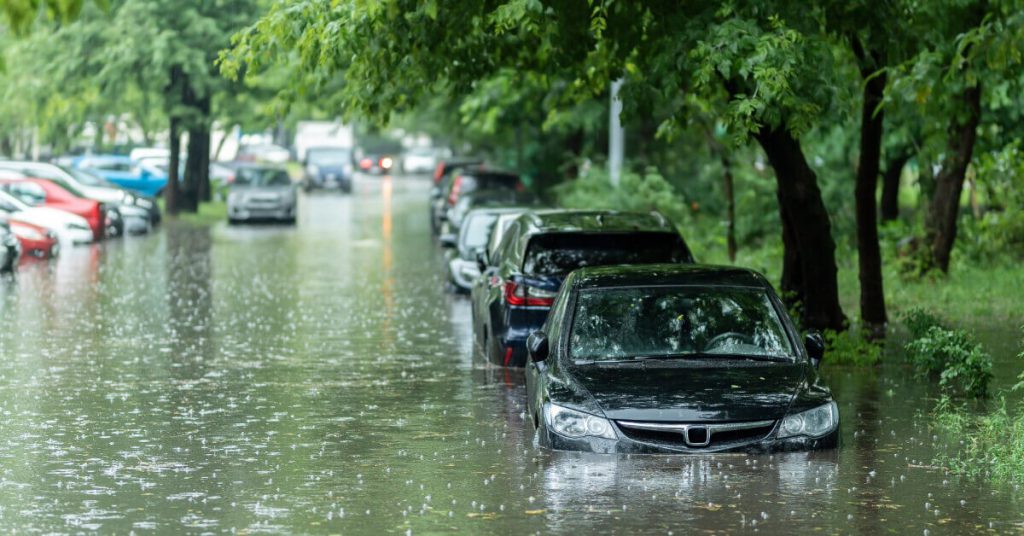
Buying a used car can save you thousands—unless you’re unknowingly purchasing one that’s been damaged by a flood. After major storms or hurricanes, thousands of vehicles are declared total losses due to water damage. While some of these vehicles are sent to salvage yards, others find their way back into the market—sometimes with no obvious signs of what they’ve been through.
Flood-damaged cars pose serious risks. Corrosion, electrical system failures, and mold growth can lead to long-term headaches and costly repairs. In this guide, we’ll walk you through how to identify the warning signs and avoid making a regrettable purchase.
Why Flood-Damaged Cars Are a Hidden Risk
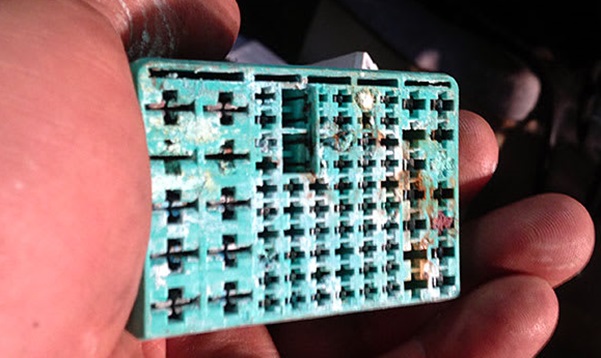
When a car is submerged in water—especially saltwater—it suffers more than just cosmetic damage. Floodwater can ruin internal systems, compromise electronics, and lead to unseen rust that spreads silently over time. Even worse, some sellers go to great lengths to clean up the exterior while hiding internal water damage.
Many flood-damaged cars are:
Sold without disclosure: If not properly reported, they may still carry a “clean” title.
Repaired just enough to run: But may develop serious problems weeks or months later.
Hard to detect without knowing what to look for.
Warning Signs of Flood Damage
Here are some common red flags to look for when inspecting a used vehicle:
1. Musty or Mildew Smell
A strong odor is often the first sign. If the car smells damp, moldy, or overly perfumed (to mask odor), it could have been exposed to water damage. Sniff around the carpets, trunk, and under seats.
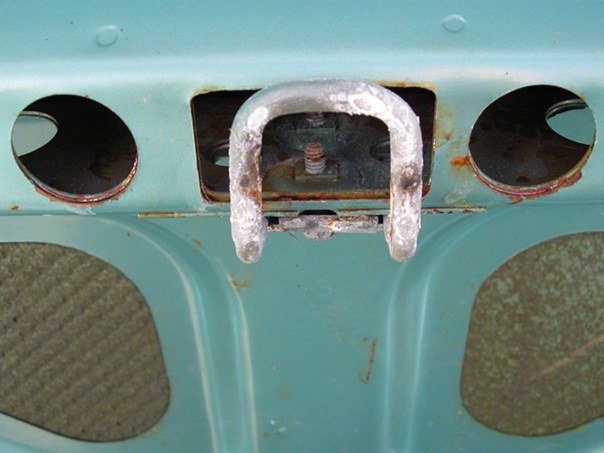
2. Rust in Unusual Places
Surface rust on the undercarriage is normal in older cars, but rust in areas like:
Seat rails
Door hinges
Inside the glovebox or under the dashboard
could indicate prior submersion.
3. Water Stains
Inspect the upholstery, carpet, and roof liner. Uneven fading, discoloration, or water marks are major red flags. Check the lower interior door panels and trunk lining, too.
4. Fogged Lights
Moisture trapped inside headlights or taillights often points to past water intrusion. Persistent fogging—even after a detail—may suggest the car was submerged.
5. Dirt or Silt in Crevices
Floodwaters often leave behind dirt, mud, and debris. Look in hard-to-clean areas like:
Under the spare tire
Inside seat tracks
Behind trim pieces and in the engine bay
6. Electrical Glitches
If the windows, locks, dashboard lights, radio, or infotainment system are acting strangely, water damage may be to blame. Electronics are especially vulnerable and may short out over time.
Inspection Tips Before You Buy
A visual inspection can reveal a lot. Here’s how to go beyond the surface:
Lift the carpets: Peel back floor mats or carpet edges. Check for dampness, staining, or a spongy feel.
Use a flashlight: Shine it under the dashboard and seats to inspect for corrosion or residue.
Check the oil dipstick: Water-contaminated oil will look milky or cloudy.
Look under the spare tire: This area often traps water and debris unnoticed.
Ask the Right Questions
Don’t be afraid to ask direct questions. A legitimate seller should have no problem answering:
Has this vehicle ever been in a flood?
Has it been in a flood-prone region or natural disaster area?
Can you provide a recent vehicle history report?
If the answers seem vague or evasive, walk away.
Use Vehicle History & Title Tools
Before signing anything, verify the vehicle’s background using these tools:
Carfax or AutoCheck: Paid reports that can show flood branding, auction history, and past insurance claims.
State DMV Records: Some states will mark a title as “salvage” or “flood” if reported, but this is not always guaranteed.
Conclusion
Flood-damaged vehicles are often lurking just below the surface—literally. They may seem like a great deal at first, but they come with serious risks that can cost you far more in the long run. Don’t rely on looks alone. Use your nose, eyes, and questions to dig deeper and make a smart purchase.
New car prices hover near $49,000 while used cars average around $25,000 — but the real cost difference is shaped by financing rates, insurance, and depreciation. For most buyers in 2026, a 3-to-5-year-old used car still wins on total cost. New makes sense in a few specific scenarios, and we’ll walk through both.
If you’re shopping for a family SUV, you’re probably juggling the same priorities as everyone else: safety, usable space, comfort, good tech, and a layout that makes daily life easier (car seats, strollers, sports gear, grocery runs… all of it). This list focuses on the best all-around family SUVs—mixing two-row and three-row options—based on recurring top placements in major editorial rankings and family-vehicle award lists.
Looking for a reliable and affordable used car under $15,000? This guide lists the top affordable used cars, known for their longevity, fuel efficiency, and safety, ensuring you get great value for your money.
Want to find out how to spot the best year-end car deals? This article will guide you through key strategies, including understanding sales cycles, leveraging manufacturer incentives, and perfect timing, ensuring you get a great deal.
Before stepping into a used car dealer, know the potential pitfalls. This guide will help you understand dealer tactics, hidden fees, and financing tricks, ensuring you make an informed purchase decision.
The ebb and flow of the car market can significantly sway car prices, and savvy shoppers can harness these cycles to their advantage. Let’s uncover the secret times of the year that can help you save money on your next car purchase, and find out the best time of year to buy a car.